 FindMeTea
The right tea for this moment
What do you need?
Get a tea recommendation for what you need right now — calm, focus, digestion, or whatever you need.
Top teas by goal
AI-picked favorites for focus, calm, digestion, and more.


Tea kits
A kit for every tea moment

Most popular requests
Real prompts that got great recommendations — try one or get your own.


Tea rituals
Small ceremonies, better days
Browse by moment
When are you reaching for a cup?
Our favorite tea shops
Where to buy good tea near you


By origin
Travel by the cup


Fun facts
Things you didn’t know about tea
Tea’s “calm focus” is real chemistry: L-theanine nudges your brain toward alpha waves while caffeine lifts you — together they beat caffeine alone on attention.
“White tea” isn’t white — it’s named for the silvery down on the unopened buds, tiny fibres that catch the light like frost.
Green, white, oolong and black tea all come from one plant — Camellia sinensis. The difference is entirely how the leaf is processed.
In 2002, 20 grams from the original Da Hong Pao mother bushes sold for ~¥180,000 — gram for gram, pricier than gold.
Sencha was invented in 1738 by Nagatani Soen, who spent years perfecting a steaming method so ordinary people could enjoy quality green tea — today it's Japan's most-drunk tea.
After water, tea is the most consumed drink on the planet — ahead of coffee, beer and wine.
For centuries, compressed tea bricks were real currency in Tibet, Mongolia and Siberia — money you could literally drink.
The first book devoted entirely to tea — Lu Yu's “The Classic of Tea” — was written in China around 760 AD, covering everything from growing the leaf to the proper way to boil water.
The world's biggest tea drinkers aren't the British: Turkey tops per-capita consumption at over 3 kg of tea per person per year — well over a thousand cups.
“Orange pekoe” has nothing to do with oranges — it's a leaf-size grade of black tea. One theory credits Dutch traders honoring their House of Orange; another, the coppery-orange color of the leaf.
Brew basics
Brew it better in 30 seconds
Brew greens cool
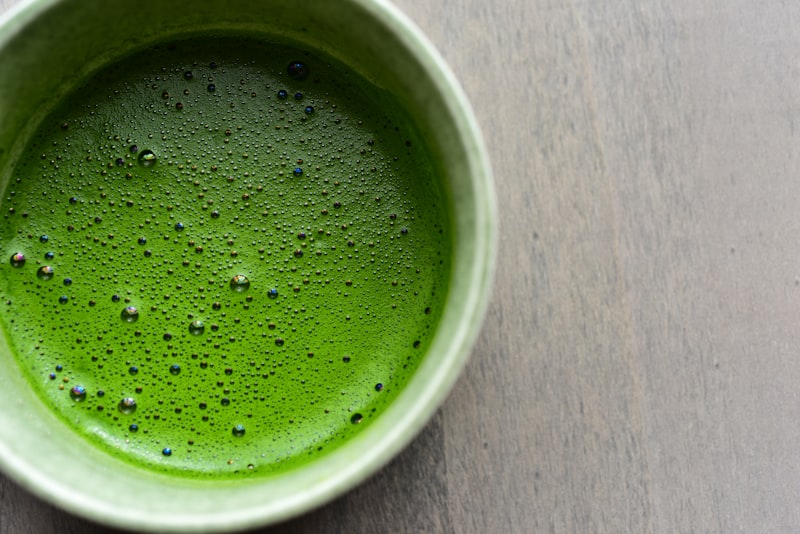
Boiling water scalds delicate greens into bitterness. Drop to 70–80°C and they turn sweet.
Short, repeated steeps
Good oolong gives 5+ infusions. More leaf, less time (20–40s), and watch it evolve cup to cup.
Herbals love a hard boil
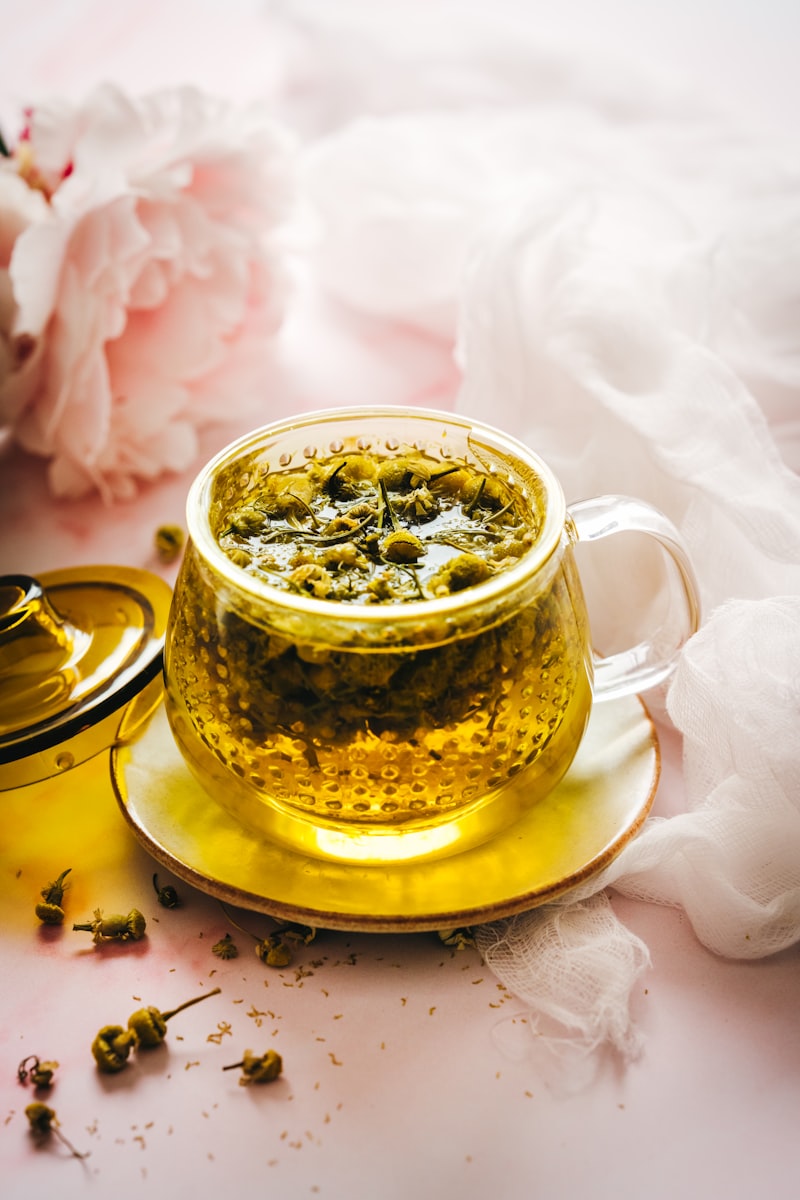
Unlike greens, chamomile and ginger want full boiling water and 5+ minutes to open up.
Cold-brew for sweetness
Cold water extracts less caffeine and fewer tannins. Steep leaves in the fridge 6–12 hours and the same tea turns out sweeter and smoother.
Stronger? Add leaf, not time
Over-steeping mostly adds bitterness, not body. For a stronger cup, use more leaves and keep the steep time the same.
Start with good water
Your cup is ~99% water. Chlorine and very hard water flatten delicate flavors — freshly drawn, filtered water lets the leaf shine.
Preheat the pot
Hot water poured into a cold pot or cup loses several degrees instantly. Swirl in some hot water, discard it, then brew.
Keep a lid on it
Covering your cup while it steeps holds the temperature steady and traps aromatics that would escape with the steam — worth it most for herbal infusions and long steeps.
Nail the ratio first
A solid starting point is about 2 g of leaf — roughly one teaspoon — per 200–250 ml cup. Get the ratio right before tweaking anything else.
No thermometer? No problem
Pour boiling water into a cool cup or pitcher — each transfer sheds roughly 5–10°C. Two pours plus a minute's rest lands near the 80°C sweet spot for green tea.
By flavor
What does a good cup taste like to you?
Head to head
Can’t decide? Compare them

From the blog


